
Display a finished painting, then respond to an offer
To sell a painting, finish and name it, put it on a table easel used for selling, and wait for a collector’s offer. Read the amount before accepting. The painting earns money when the transaction completes and the cash reaches your balance.
A rating or appraisal is not a sale. If your picture is finished but nothing has sold, check the display and buyer steps before assuming the drawing is the problem.
Move the artwork from canvas to selling stock
The editor is where you create the picture. The selling display is where collectors inspect finished work. Treat them as separate stages.
- Complete the drawing and use the finish option.
- Give the painting a name that lets you identify it among your other work.
- Read the stars and appraisal shown for the finished painting.
- Place it on a selling table easel.
- Watch for a collector who inspects it and makes an offer.
- Accept an offer when you are ready to sell, then check the balance change.
If you have several pictures, recognizable names help you match an offer to the right work. You do not need an elaborate naming system. A subject such as a beach, face, or space scene is easier to track than several paintings with nearly identical names.
For the drawing stage, use the painting editor guide. This page focuses on getting finished work through the sale.
Read what the collector is actually doing
Not every collector visit ends in a purchase. Some inspect the art and refuse it; others make an offer. A comment about the picture is not the same as an offer to buy it.
| What you see | What it means for the sale | Useful next action |
|---|---|---|
| A finished painting is not on a selling easel | You have completed work, but have not offered it there | Check the display step |
| A visitor looks at a painting and refuses it | That visitor did not buy it | Continue managing displayed stock |
| A collector offers an amount | You have a sale decision to make | Read the amount and available actions |
| You accept the offer | A sale should complete through that interaction | Check the cash received |
| An auction is running | Bidding is a separate selling route | Follow its final sale rather than a table-offer routine |
A collector’s refusal does not replace the star result assigned when you finished the painting. Do not redraw every picture because one visitor disliked it. Instead, keep a finished work displayed and continue painting while you wait for another offer.
Do not count on buyers arriving at a fixed interval. You can set your own limit on how long to wait, but that limit is not a game timer or a promise that someone will buy by then.
Compare the offer with the right number
Keep the painting’s appraisal as a reference, then evaluate the collector’s actual offer. The two amounts can differ. Your account’s cash bonuses can also make the money you receive differ from the offer itself.
For a clean check, note your balance immediately before accepting and compare it with the balance afterward. If hired artists or other income are also active, avoid treating every simultaneous balance change as part of that one painting sale. Read your current bonus descriptions before drawing conclusions about a multiplier.
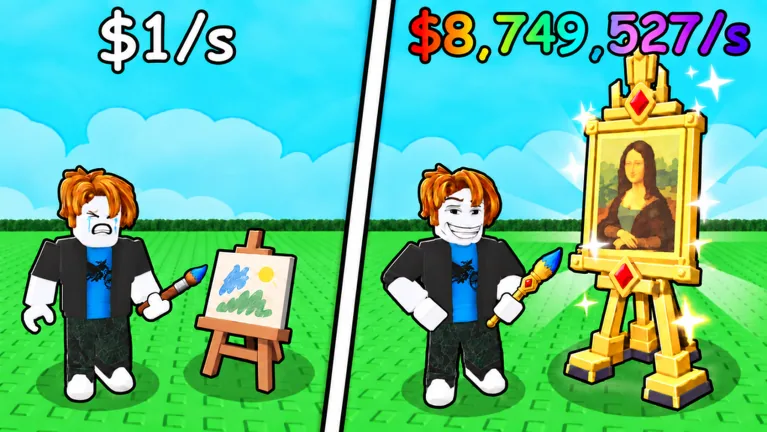
Keep this in mind when watching a player make a huge sale on a boosted account. Copying the subject does not give you that account’s studio progress or bonuses. The cash guide explains those earning decisions separately.
Choose between accepting and negotiating
Accepting lets you complete the sale at the displayed offer. Negotiating introduces another decision: asking again can improve an amount, but gameplay also includes lower outcomes. It is not a guaranteed increase.
Decide when to stop before repeatedly pressing the negotiation option. If you need money for the next studio purchase, for instance, you might accept an offer you are satisfied with. That choice trades a chance at more money for completing the sale. It is a personal stopping rule, not a tested best strategy.
Use the negotiation guide for that narrower decision. You can learn normal selling without making every buyer interaction a negotiation experiment.
Add space when finished stock needs it
Extra tables give you additional places to offer paintings. Examine them when completed work is waiting for a selling space. Buying another display does not create artwork for an empty studio, and it does not guarantee that every collector will accept what you place there.
As your studio develops, the Auction Stage offers another route with successive bids and a final sale. Treat it as a separate system with its own availability and waiting rules. Read the auction guide after that option opens rather than trying to use auction instructions for your first table sale.
FAQ
How do I sell my first painting?
Finish and name the picture, place it on a selling table easel, wait for a collector’s offer, and accept an amount you are willing to take.
Why has a finished painting not sold yet?
Check that it is on a selling display. Visitors can refuse artwork, and finishing a picture does not guarantee an immediate buyer.
Does the appraisal equal the offer?
No. The appraisal and the buyer’s proposed amount are separate. The actual cash received is a third figure to check after selling.
Should I negotiate every offer?
Negotiation is optional and can produce a worse outcome. Decide whether you want to complete the current sale or risk asking again before using it.
Will another table make paintings sell automatically?
It adds a place to offer finished stock. You still need completed artwork and a buyer interaction; the extra space is not a guaranteed sale.